- BOOKER ALBERT LITERARY AGENCY's Newsletter
- Posts
- Do you need to take writing classes?—Plus New Book Launch!
Do you need to take writing classes?—Plus New Book Launch!
Note from Rebecca: Recently a book by my wonderful author RZ Nicolet has launched, and I'm so excited to talk about it at the end of the newsletter! For this newsletter, she wrote about her experience with writing classes and what sort of education she had before she got a book deal. I always encourage Creative Writing education, but that doesn't necessarily mean paying for a course or a degree. There are a huge variety of free resources out there, and of course, the best teacher is experience!

I’ve never taken a creative writing class.
By RZ Nicolet
There were a couple of times that I almost did. High school? Storytelling was taught by the drama teacher, so it was more about reading, analysis, and performance than writing. Undergrad? The cool science fiction writing class conflicted with a physics elective, so physics it was. Grad school? By the time I discovered a class I wanted to take, I was deep in my thesis and couldn’t figure out how to make it fit into my schedule.
It's not that I haven’t learned about writing. The full bookshelves at my house can tell you how much I read. I’ve watched through Brandon Sanderson’s video lectures on YouTube. (I strongly recommend these, for both craft and understanding publishing.) I’ve read about a zillion blog posts.
At the end of all that, though, it comes down to writing (and editing) until you’ve got something worth reading. I wasn’t serious about that at first. I wrote a couple of mediocre manuscripts, with NaNoWriMo as a supportive mechanism. Outside NaNoWriMo, I didn’t write as much.
I eventually realized that if I ever wanted to have something worth putting in front of other people, I needed to write more regularly. So, I watched the Sanderson lectures and outlined a book featuring weird aliens and their problems and made a resolution to write it in a year.
I made that resolution in January of 2020.
The worldbuilding and outline were done in February, just in time for… well, the rest of 2020.
I wrote the book anyway. (It didn’t take that much longer than a year.) I sent hopeful query letters around. And, following the “just keep writing” principle, I started on a completely different book.
When working on one of those two books, I discovered that if I managed to write in the morning – even if it’s only a hundred words before I log in to the day job – I’m just a little happier for the rest of the day. I’ve accomplished something, even if everything else feels like it’s falling apart.
And that, I think, is something else you can’t get from a writing class, and which Sanderson alludes to. Writing process is personal. It can even vary from book to book. Writing in the morning is best… for me, but no good for a night owl. I always know the ending before I get there. Other folks are more spontaneous. You only really figure that out by trying stuff and seeing what works.
Which of those two books I mentioned is my debut? Neither! Instead, it’s the book after that. I wrote the first chapter as a lark, without an outline or a real plan, because a story from the magic cloak’s point of view stuck me as very funny. Plot, and the outline, came later. (See: process can vary!)
Do I regret not having taken a formal class? A bit. I’m sure I’d have picked up some useful tools.
But a class wouldn’t have written the words for me.

The Cloak and Its Wizard: A Whimsical Mix of Fantasy and Superhero
I loved this book from the first time I read the query letter. The Cloak and Its Wizard compelled me to read it all in one sitting — I just couldn't put it down.
Writing a story from the perspective of an inanimate object can be tricky, but the magical cloak at the heart of this story has such personality that it functions as the comic relief while also providing deeply compelling lore and backstory in a way I have not really seen written anywhere else.
Veronica, the other main character, is equally compelling though we only ever see her through the experience of this immortal magical cloak. What was so excellent about the overall plot was how as the two main characters confront the external conflicts (world-eating monsters, a rule-obsessed society of wizards, irritating superheroes), they must also face deeply personal internal conflicts. At its heart, the cloak yearns for companionship, while Veronica loves her career and wants nothing to do with the magical, superhero, or monstrous. The way their internal and external conflicts intertwine makes for a tightly written and — despite the comic moments — deeply heartfelt story.
One of the most refreshing things about The Cloak and Its Wizard is how it blends fantasy and superhero elements in a way that feels wholly original. As genre-mashing becomes more mainstream, it's still rare to find a book that sits so confidently at the intersection of two genres — and this one pulls it off beautifully.
The Cloak and Its Wizard is available now on Amazon. If you've had the chance to read it, I'd love to know what you thought — please consider leaving a review. Reviews make an enormous difference for debut authors, and a book this good deserves to find its audience.
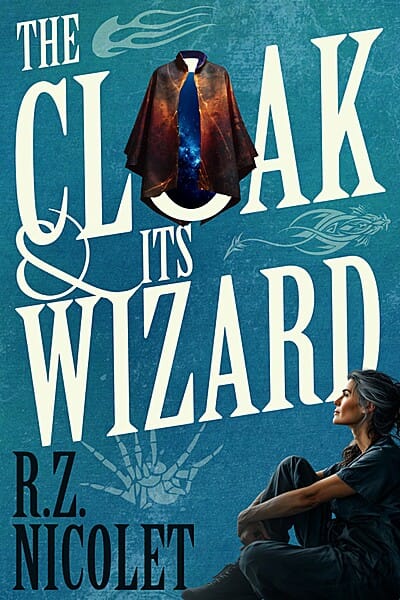
Blurb
A sentient cloak. A reluctant wizard. Wizards, superheroes, and monsters — oh my.
I don’t choose my wizards lightly. It’s a lifetime commitment. Their lifetime, that is. I’ll outlast them all. Unless the world ends. Which is looking increasingly likely…
After a century of boredom in the library of the secret Order of the Open Eye, the Cloak of Sunset and Starlight finally chooses a wizard. Unfortunately for the cloak, Veronica Noble isn’t thrilled. A brilliant doctor, Veronica has been dragged into the Order against her will, and doesn’t want to be saddled with a glittering, starlight-covered cloak that sneaks through vents, sets off car alarms, and refuses to leave her shoulders.
When Veronica accidentally reveals her powers to all of Minneapolis, superheroes take notice. The Order threatens to reclaim the cloak. And sea serpents from other dimensions keep crashing into reality.
Now the cloak must do everything in its power to keep its wizard safe—even if that wizard isn’t sure she wants it.

Books Available for Preorder
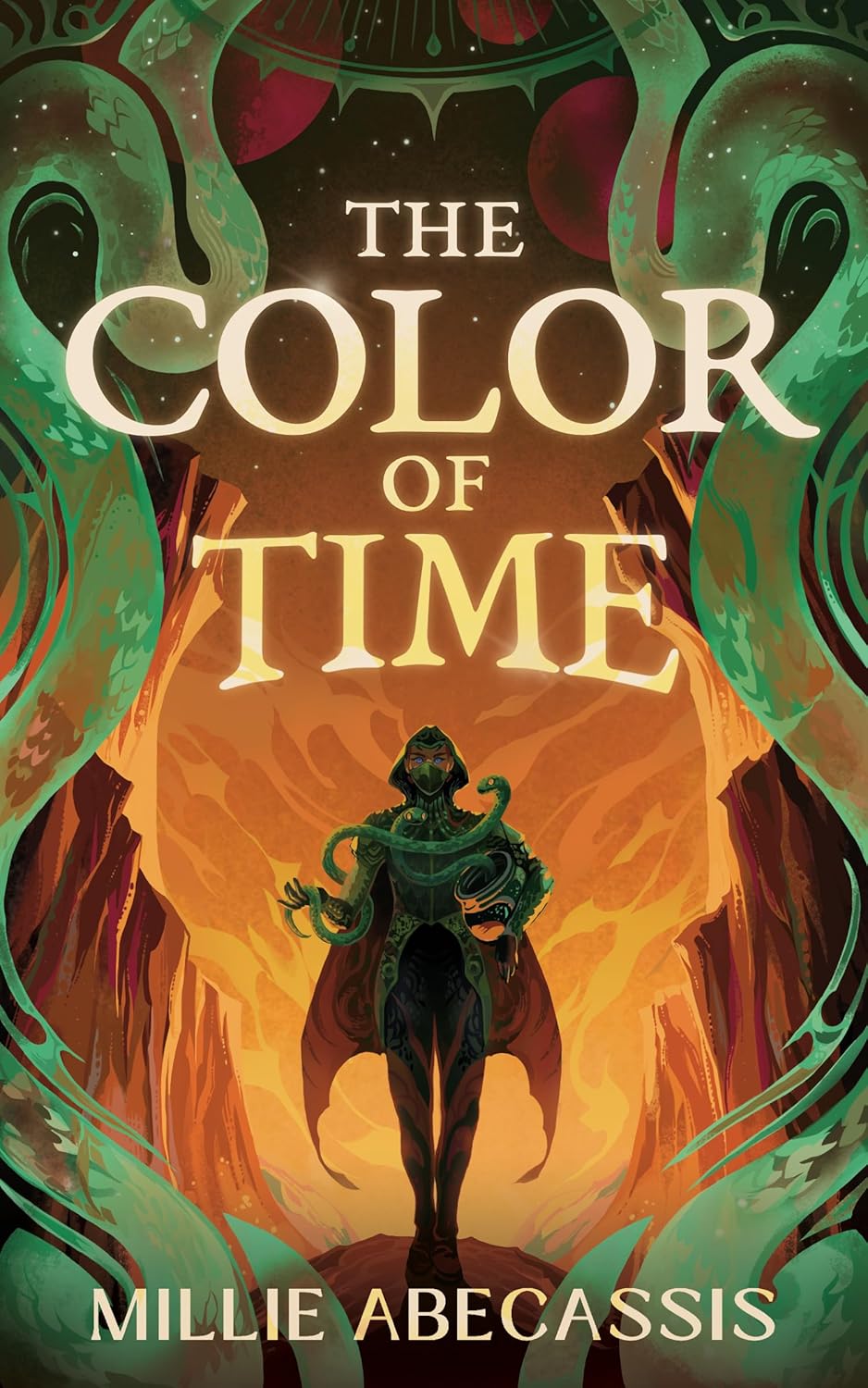
"Dune" meets Charles Perrault's fairy tale "donkeyskin" with a sci-fi hopepunk twist.
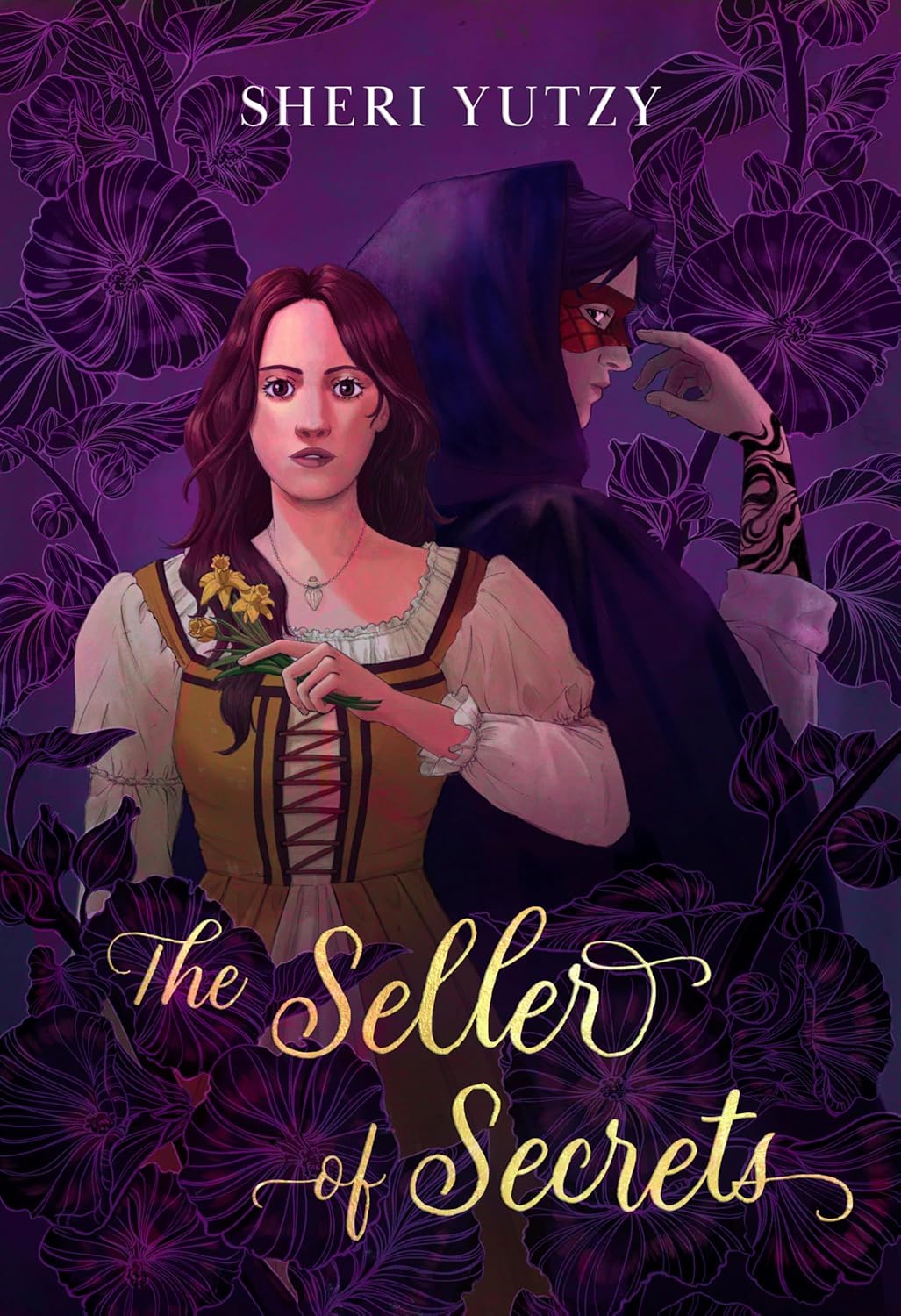
Inspired by historical Florence, Italy, and based on legends of the Renaissance-era Medici family, The Seller of Secrets is a YA romantasy novel with a sensory and elemental–based magic system.
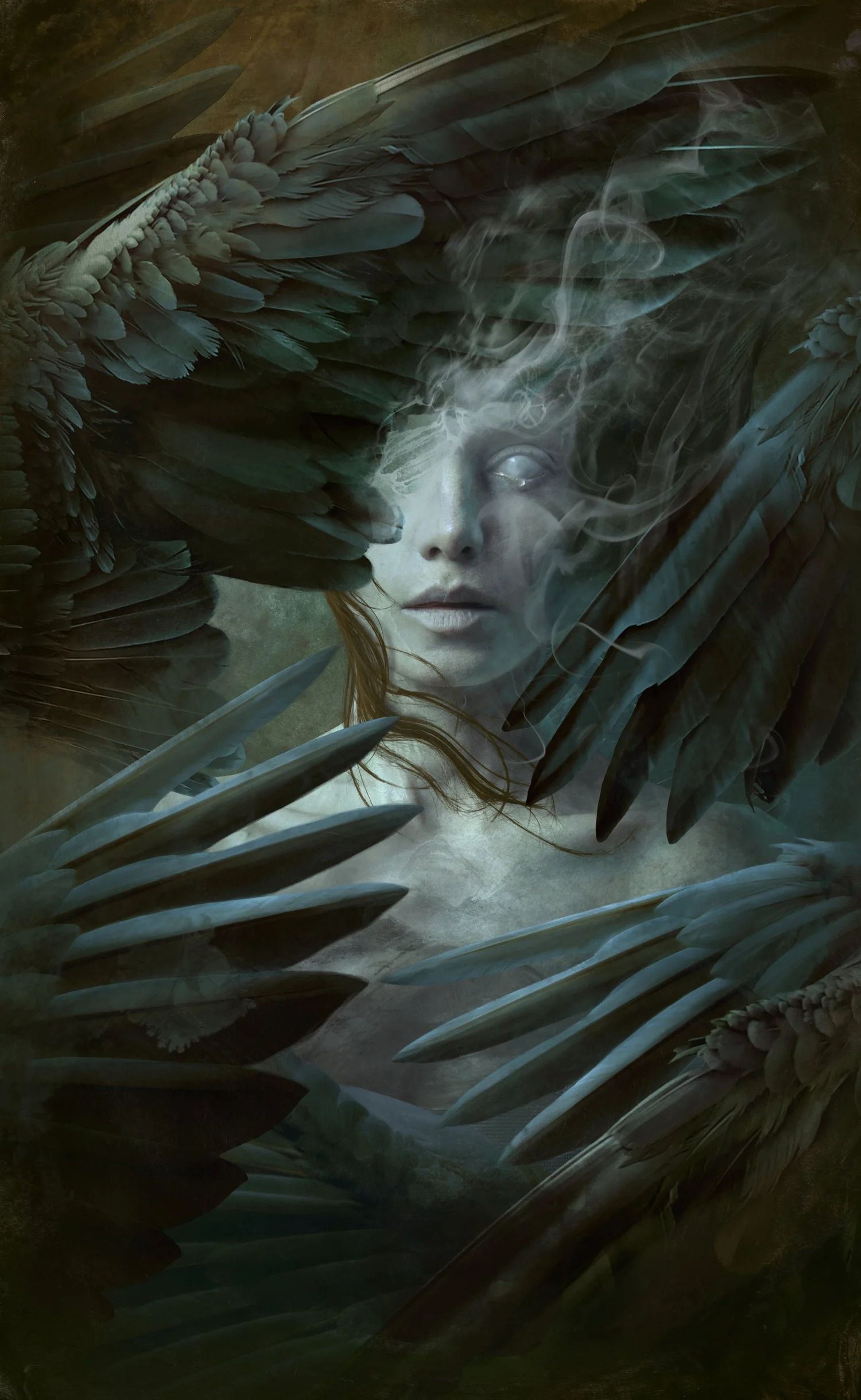
From Arwyn Sherman and Sobelo Books in 2026, WE, THE MISSING evokes the theme of powerlessness as in The Devil All the Time and is reminiscent of the dark world of Constantine.
New Deals
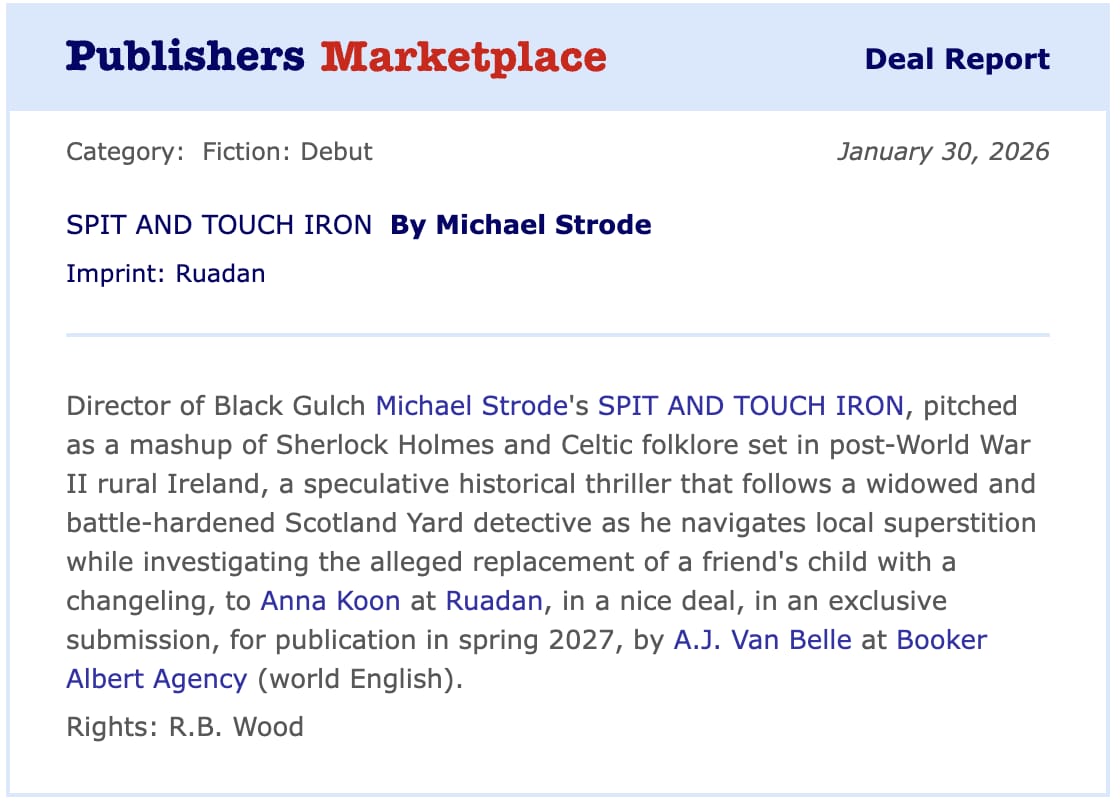

Check us out at the Booker Albert website.
Happy reading,
Rebecca Love
Reply